Jane Ormsby: Digital Media Trends for 2026

As digital media continues to evolve at pace, Scroll Media Managing Director Jane Ormsby outlines the trends she believes will define 2026 across ANZ.
As I reflect on another dynamic and challenging year in digital media, one thing remains constant: change. More than ever, we digital media professionals in Australia and New Zealand are empowered to find new ways to attract audiences and drive better engagement from advertising, helping brands stand out. And every year, it gets a little more complicated.
Interestingly, 2025 was the Year of the Snake — shedding old skin and clearing the way for better things to come. Thankfully, 2026 is the Year of the Horse, bringing momentum, strength, power, and abundance. I’m hoping this horse isn’t a wild Kaimanawa mare that bucks us off along the way.
I’m foreseeing some key digital media trends for 2026, based on my experience running digital media advertising network Scroll Media for seven years, and the emerging patterns among our advertisers and media agency clients.
Overall, I suspect we’ll need to hold on tight — it could be one heck of a ride.
1. Media buyers seem to prefer drinking matcha over coffee these days. Getting overly anxious on too many coffees is a bit uncool now, and the health benefits of the good green stuff have agency folk queuing up — with or without a hangover.
Connecting over a cuppa is still valuable, though. With the rise of AI and fake news, people still like to work with those they know and trust. That’s why Scroll Media launched the Breakfast Club: a gathering for local digital media folk to share breakfast, stories, laughs, learnings, and connections — and just feel human again. The first one kicks off in Auckland on Wednesday, 21 January at 8am, followed by Sydney on 27 January and Melbourne on 28 January.
2. Holding company agency consolidation. With global pressures and market fragmentation, I expect more big moves like the OMD & UM merger to continue. Holding company agencies will undoubtedly succeed with increased efficiencies and better technology, but they’ll likely grapple with structural changes — leading to more client switching.
This will fuel the rise of independent agencies, which prosper with specialist skills and greater local agility. Good news for indies.
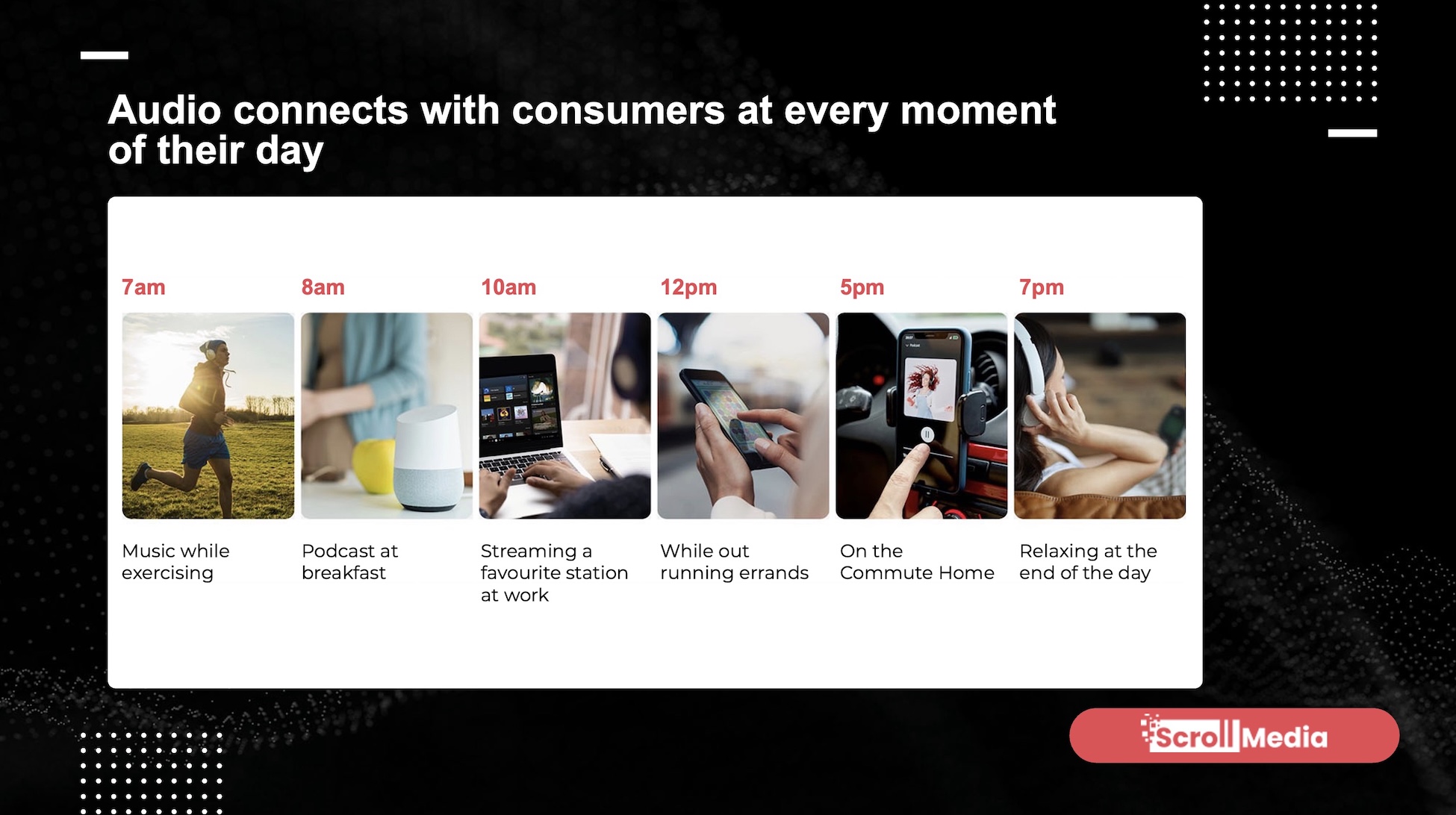
3. Podcast advertising is poised for continued strong growth. Driven by rising audio listenership and increasing agency investment, there’s significant upside here as consumption outpaces current ad spend.
In 2025, monthly podcast listeners reached approximately 9.6 million Australians (47% penetration). Younger demographics lead, with high engagement among 25–34-year-olds, and blue-collar workers (e.g., tradespeople) emerging as the fastest-growing segment — favouring sports, comedy, and health content. Daily listening rose to 29% in 2025, indicating deeper engagement.
Around 79% of Australian agencies planned to boost podcast ad investments in 2026, per IAB Australia’s Audio State of the Nation Report. Digital audio (including podcasts) revenue hit $313 million, with podcasting as a key growth driver. This momentum is expected to carry into 2026, supported by better measurement tools.
Preferences for shorter ads (15–30 seconds) and mid-roll placements continue. At Scroll Media Audio, we’re seeing well-targeted dynamic audio ads perform strongly. Educational, news, family, true crime, and culture podcasts attract the most ad airtime, with branding and storytelling objectives dominating campaigns.
Brands investing early in this high-engagement channel stand to gain as the investment gap closes. Case studies, measurement, and attribution will continue to build audio’s validity — chat to the Scroll Media Audio crew or download our Audio eBook for more.
4. Digital ad spend will continue to rise. This keeps investors happily optimistic — and supports jobs and after-parties.
Australia — The September 2025 quarter saw total digital ad spend reach $4.6 billion, up 9.7% year-on-year. The biggest rise was in video: +16.7% (to $1.347 billion), which will continue growing.
New Zealand — Digital now represents 67.4% of total NZ ad revenue which is around $2.422 billion in digital. It’s crazy — I remember starting in digital media in 2001 with less wrinkles, feeling like the poor cousin to TV when digital was only 5% of total spend. Things have changed dramatically, and growth will continue. Spending with local publishers supports the local economy, as we know. Trends remain positive, aligned with global shifts toward video, Connected TV, and retail media.
5. Gaming will continue to be an important channel. Around 3.3 billion people globally are now active gamers. In other words, roughly 40% of the world isn’t scrolling holiday feeds — they’re in gaming worlds where attention is earned, not borrowed.
Gaming is here to stay, and brands need to test this audience — or miss out by clinging to outdated stereotypes. Experimenting with different gaming strategies until something works makes sense.
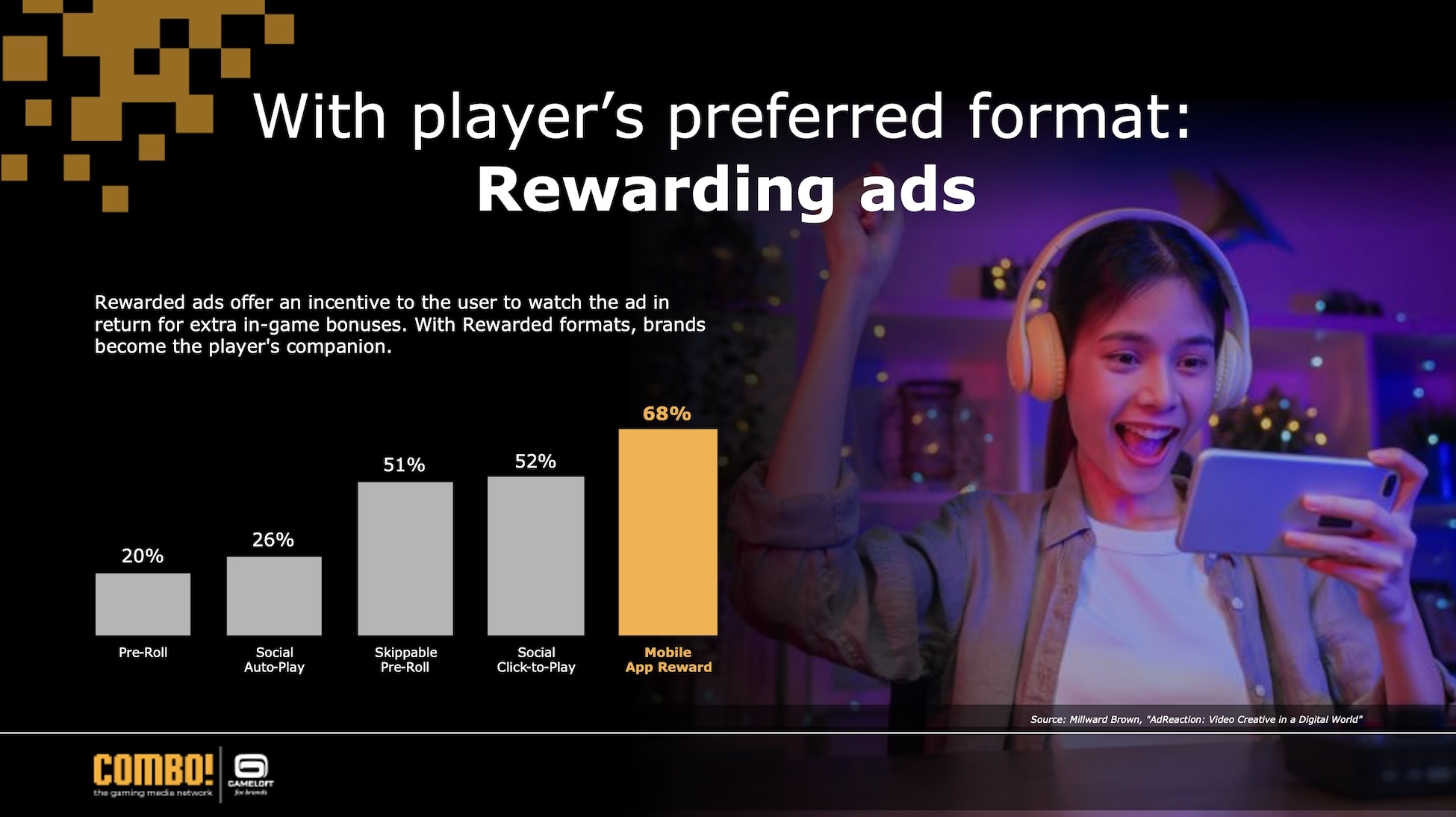
To reach the ever-popular Gen Z audience in Australia, note that gaming penetration remains high among younger cohorts (with overall Australian gaming at 82% per IGEA’s Australia Plays 2025 report). Formats like in-game reward video, interactive gamified ads, streaming, avatars, and influencers in environments like Gameloft and iion work superbly well.
6. Ad fatigue will continue to rise. Marketers will need to get cleverer with contextual relevance, or users will simply ignore ads. Making ads bigger and more creative will help attract attention. High-impact rich media formats from Azerion, like Inskins, deliver higher brand uplift, CTR, and viewability than standard programmatic display ads below the fold. Everything has its place, but page takeovers and interscrollers get noticed.
7. Trusted publishers will dominate in content delivery. As AI algorithms get snazzier, content from trusted publishers will gain more credibility and reach. The more established and trusted a publisher is, the better its content will rank. Welcome news for journalists as we all navigate generative search engine optimisation.
Native advertising and sponsored content with trusted publishers remain worth investing in. Be quick to explore platforms like Nativo to amplify content.
8. Holiday weather can never be predicted perfectly. Check apps like AccuWeather to sound knowledgeable and impress your mates, but still pack for four seasons in one day. Weather governs human decision-making, and weather-triggered ad campaigns bring relatability, localness, and smarts to campaigns. AccuWeather can signal upcoming weather and environmental triggers like pollen count, wind, rain, intense heat, or bushfire risks more accurately than many other apps.
One thing is for sure: more things will change in the year ahead, but many fundamental principles stay the same. Here’s to a successful 2026 in digital media on both sides of the Tasman and a happy holiday back-to-work season.
And remember to be nice and polite to AI chatbots this year… just in case they do take over the world!
Register for FREE HERE and receive the Campaign Brief Daily Bulletin and/or the global Best Ads Best of the Week Bulletin. Subscribe to Campaign Brief Magazine.
#More Creative News #No paywalls #No annual membership fees
Subscribe to Portfolio & Reel for current listings of Australian and NZ ad agency and production company leadership and key personnel