Scott Dettrick: Everyone’s a creator now. So, let’s make it mean something
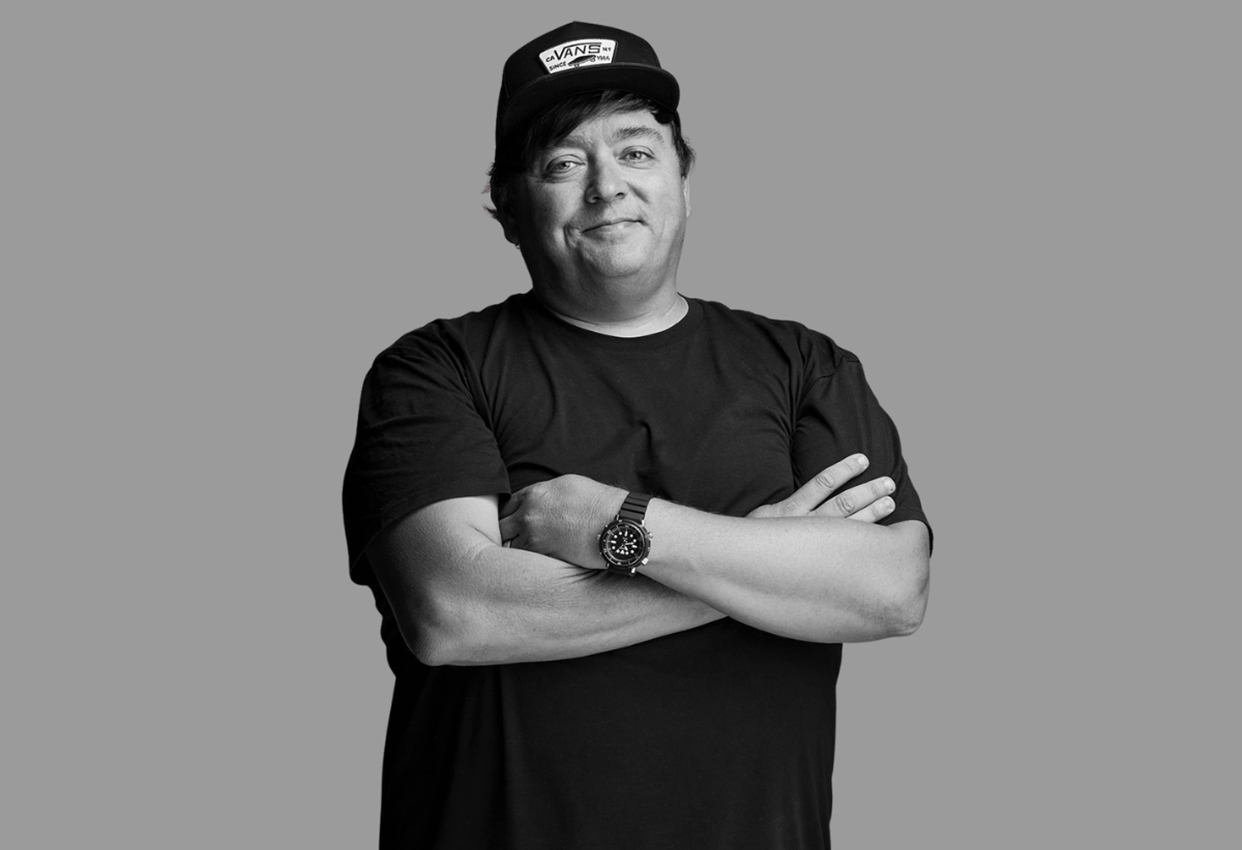
With new AWARD Award categories including Social & Creator, Scott Dettrick, ECD, explores what the rise of the creator economy means for creativity, craft and agencies.
Scroll through TikTok or YouTube and you’ll see it immediately. Creators aren’t just making content anymore. They’re building brands, launching products and shaping culture at a pace traditional models sometimes struggle to match. Comedians are running production companies and influencers are building empires.
The barriers to entry have collapsed. The distance between idea and audience has never been shorter, and that’s changing the role of creativity.
The “creator economy” has democratised creativity. Anyone with a phone, an idea and an internet connection can build an audience faster than most agencies can get a cost estimate approved. And that’s not something to fear, it’s something to pay attention to.
Just look at Aunty Donna’s ‘Grouse House’. An Australian collective of comedians and improv performers who became their own media network. Turning sketch comedy into a YouTube channel, podcasts, partnerships and campaigns that can reach as many people as traditional ad spots. They’re even about to launch their own streaming platform. They didn’t ask for permission. They just started and let the audience decide if it mattered.
It’s never been easier to make and share work, but one thing hasn’t changed. Not everything cuts through, and that’s where ideas and craft still matter.
A control shift
For those of us raised in the church of advertising craft, this shift has been… confronting.
We were trained to obsess over control, the perfect word, the perfect grade, the perfect cut at 29.8 seconds. And that still matters. Craft matters. It’s what turns something fleeting into something enduring. It’s what gives ideas structure, meaning and emotional weight.
But here’s the uncomfortable truth. Some of the people making the most culturally resonant work right now often aren’t chasing perfection. They’re chasing connection.
Creators understand something we sometimes forget. Audiences don’t reward polish on its own. They respond to personality, immediacy and to something that feels real. Imperfect content often wins because it feels human.
That doesn’t make craft irrelevant. It’s still needed in the right places, and it’s valuable because now it has to work harder. It has to earn its place. The opportunity isn’t to abandon craft. It’s to rethink where and how we use it. It goes against everything I know, but not every idea needs to be sanded down to within an inch of its life.
Cheerful but not always cheap
The words ‘creator’ and ‘budget’ are often mentioned in the same breath. Cheaper production, faster timelines and built-in reach. But that misses the point entirely. The best creators aren’t replacing agencies or production processes. They’re filling a gap. And these days, they’re not always cheap.
Take YUQI from (G)I-DLE, who’s built a huge following across Korea, China and Southeast Asia through personality-driven content and collaborations with brands like Dior, Dyson and Lancôme. Her audience isn’t passive; it’s participatory. When she endorses something, it doesn’t feel like advertising. It feels like a relationship. That’s not something you can simply brief into a 30-second spot.
Creators like YUQI remind us that intimacy scales differently now. Influence isn’t just about reach, it’s about connection. And connection doesn’t come from polish alone. But when craft and connection come together? That’s when things get interesting.
So where does that leave ‘traditional’ creative? Hopefully, more important than ever, but in a different way. If creators are shaping culture, that’s not a replacement for us. That’s our R&D department. We can learn from them. How to build communities before campaigns, how to test ideas in public, how to let audiences shape the work in real time. And most importantly, how to feel native on specific platforms.
What we bring still matters deeply. We bring creative discipline & narrative thinking. The ability to take something raw and turn it into something that endures beyond a scroll. If creators move fast. Craft decides what’s worth slowing down for. The future isn’t creators versus agencies. It’s collaboration without condescension. Meeting in the messy middle where structure meets spontaneity.
A wider definition of great
That’s why I’m excited that AWARD has evolved its award categories, particularly the new Social & Creator opportunity. And no, it’s not about glorifying TikToks. It’s about recognising real creative bravery wherever it happens. Because making something people genuinely choose to engage with, especially amongst the white noise of social media, is genuinely hard.
The program has always been about ideas that move culture. And culture has moved onto phones, into feeds and podcast studios. The job hasn’t changed. The context has.
The role of the creative isn’t to control culture. It’s to participate in it. To guide it. To build ideas that people can take, remix and make their own. Because in 2026, ‘creator’ isn’t just a job title, it’s a mindset.
Scott Dettrick is an AWARD Council member. New categories in 2026 include Social & Creator, Brand Experience & Entertainment, and Creativity for Good, reflecting the evolving shape of creative storytelling across APAC. Download the entry kit here. On-time entries close April 17.